
What to Pack for Germany
Complete packing checklist tailored to Germany's climate and culture
Climate Overview for Germany
Germany's weather is temperate and changeable. You will feel the cool mist of the Black Forest one day and the sharp, dry wind across Berlin's open squares the next. Low, grey clouds cling to hills then break to reveal bright sunshine. Summers bring warm air carrying the scent of cut grass and grilling sausages from beer gardens. Winters coat cobblestone streets in quiet frost. Rain arrives suddenly. The damp chill of autumn seeps into stone cathedrals. Packing for Germany requires layers you can add or shed throughout the day. Sturdy footwear handles uneven pavement. Reliable protection against sudden showers is essential.
Clothing & Footwear


Humid summer days exploring the Rhine Valley or sudden downpours in Hamburg can leave you damp. Quick-dry fabrics mean you can wash items in your hotel sink. They will be ready by morning. This reduces what you need to pack for Germany.

Efficient packing is key for navigating Germany's efficient but often crowded trains. These cubes compress your wardrobe. They leave room for a bottle of Riesling or a cuckoo clock from the Black Forest in your luggage on the return.

A packable bag is indispensable for a day trip from Frankfurt to Heidelberg Castle. It carries a picnic of fresh bread and cheese from a Munich market. It stashes away when not in use.
Electronics & Gadgets

Germany uses Type C and F plugs, with two round pins. A universal adapter ensures you can charge devices in your Berlin apartment. Same goes for a Cologne hotel or a Bavarian guesthouse. No issues.

Long days navigating the U-Bahn, using maps to find Berlin's street art, and photographing Neuschwanstein Castle drain phone batteries. A high-capacity bank provides peace of mind throughout the day in Germany.
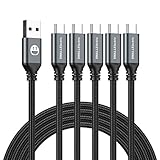
Durable cables survive being stuffed into bags during frantic train changes at Frankfurt Hauptbahnhof. Having spares means one can charge a camera. Another powers a phone on the overnight sleeper to Munich.
Older hotels and guesthouses in Germany often have a single, inconveniently placed outlet. This strip allows you to charge a phone, camera, and tablet simultaneously. Perfect before a day exploring Hamburg's port.
Toiletries & Health

A clear, compliant bag speeds you through security for your flight to Germany. It also keeps liquids contained. This prevents messy spills in your luggage from the cabin pressure change.

A compact kit is wise for treating blisters from long walks on Bremen's cobbles. It handles minor cuts from hiking in the Saxon Switzerland National Park. Pharmacies (Apotheke) are excellent but may be closed on Sundays.

Solid bars eliminate liquid limits. They won't leak in your bag on a train to Dresden. They are also more environmentally friendly. This aligns with Germany's strong culture of recycling and sustainability.

A weekly organizer ensures you don't miss doses while adjusting to the time change in Germany. It also provides a clear record for customs. Helpful if questioned about your medications.
Documents & Security

In crowded Christmas markets in Nuremberg or at busy Berlin Hauptbahnhof, an RFID-blocking holder protects your passport and credit cards from digital theft. This gives you one less thing to worry about.

While Germany is safe, a money belt is prudent for carrying the bulk of your cash. Keep a backup credit card there when visiting large cities or festivals like Oktoberfest in Munich.

These locks secure your suitcase on flights to Germany. They work while stored in a Berlin hostel. TSA approval means authorities won't cut them open for inspection.
Comfort & Convenience
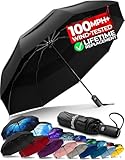
Rain in Germany is seldom a gentle drizzle. It is often a steady, wind-driven rain, in the north. A sturdy, compact umbrella lets you continue exploring Cologne Cathedral's exterior without retreating.

Tap water in Germany is safe to drink and excellent. A collapsible bottle saves money and plastic while hiking in the Harz Mountains. Same goes for sightseeing in Potsdam. It collapses when empty to save space.

German supermarkets charge for plastic bags. A foldable tote is good for carrying groceries. It handles souvenirs from a Dresden market. Great for purchases from a bottle shop (Getränkemarkt).

Summer brings very long days in northern Germany, with light lingering past 10 PM. A good sleep mask ensures rest despite the midnight sun glow. after a long day of travel.
Outdoor & Hiking Gear

The steep, rocky paths of the Bavarian Alps or the muddy trails in the Black Forest are much more manageable with poles. They reduce strain on knees during descents. They provide stability on wet terrain.
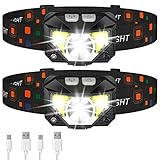
Useful for early morning starts to catch a train for a hike. Handy for exploring darker corners of castles like Burg Eltz. It also is a reading light in a mountain hut (Berghütte).
Seasonal Packing Adjustments
What to add or skip depending on when you visit
Winter
December, January, February
Add: Thermal base layers, Insulated waterproof boots, Heavy coat, scarf, gloves, and hat, Hand warmers
Shop Winter essentials →Skip: Lightweight shorts, Sun hats, Most short-sleeve shirts
Pack for sub-freezing temperatures, in southern Germany and the Alps. Focus on warmth for Christmas markets where you'll stand outdoors for hours. Waterproof boots are important for slushy city streets.
Spring
March, April, May
Add: Lightweight waterproof jacket, Layers like sweaters and cardigans, Comfortable walking shoes, Umbrella
Shop Spring essentials →Skip: Heavy winter parka, Bulky snow boots
Weather is highly unpredictable. You may feel a warm breeze in the Berlin Tiergarten one day. Cold rain in the Rhine Valley the next. Dressing in adaptable layers is key.
Summer
June, July, August
Add: Breathable clothing, Sun hat and sunglasses, Swimwear for lakes, Light scarf for cooler evenings
Shop Summer essentials →Skip: Heavy outer layers, Thermal wear
While days can be warm and sunny, in the south, evenings by the Baltic Sea or in the mountains can turn cool. Always carry a light layer.
Autumn
September, October, November
Add: Medium-weight jacket, Wool sweaters, Water-resistant shoes, Gloves and a beanie for late autumn
Shop Autumn essentials →Skip: Swimwear, Lightweight summer fabrics
This is the season for wine festivals in regions like the Moselle. Days can be crisp and bright. The damp chill settles in quickly. Pack for both mild and cold, wet conditions.
Luggage Recommendation
Roll with a carry-on spinner plus a personal backpack. It slides into ICE overhead racks, hops tram steps, dodges budget airline fees. Planning alpine hikes? Swap for a larger travel backpack that works city to trail.
Shop Carry-On Luggage on AmazonPro Packing Tips
Practical advice from experienced travelers
Don't Pack
- Full-sized shampoo and conditioner bottles. You can buy excellent German brands like Schauma or Balea at any DM drogerie markt. They cost a fraction of the price and weight.
- A heavy guidebook. Pick up a free city map from your hotel or tourist information office. Use digital resources to save space.
- A large supply of over-the-counter pain relievers. German Apothekes carry a wide range. They stock familiar international brands.
- Skip bulky beach towels. German Strandbad and lake kiosks rent towels cheap. Buy a compact one locally instead. Save luggage space.
- Ditch the sneaker collection. One sturdy pair of walking shoes handles every German city. Trains and cobblestones agree.
Buy Locally
- Grab a local SIM or eSIM. Vodafone, Telekom, and O2 sit in every major airport and train station. Bring your passport for registration.
- Buy a Pfand bottle from any supermarket. Sip it, return it, pocket your deposit. Watch the machine swallow it whole.
- Pick up a Bayern-Ticket from any DB machine. Unlimited Bavarian rail for one day. Valid until 3 a.m.
- Choose a wool hat or scarf at a Christmas market. Warmer, authentic, and the euros stay with local artisans.
- Pack a sturdy reusable cup. German cafes knock 10-20 cents off when you hand over your KeepCup. Fits the green mindset.
Packing Hacks
- Roll clothes instead of folding to save space
- Pack shoes in shower caps to protect clothes
- Use packing cubes to stay organized
- Keep essentials in your carry-on
Continue Planning Your Trip
More guides to help you prepare
Ready to plan your trip to Germany?
Now that you've got the research covered, here's where to go next.